Smart Ideas for Stronger Midlife
Sharp, practical writing on strength, aging well, metabolism, mindset, and living with higher standards after 40.
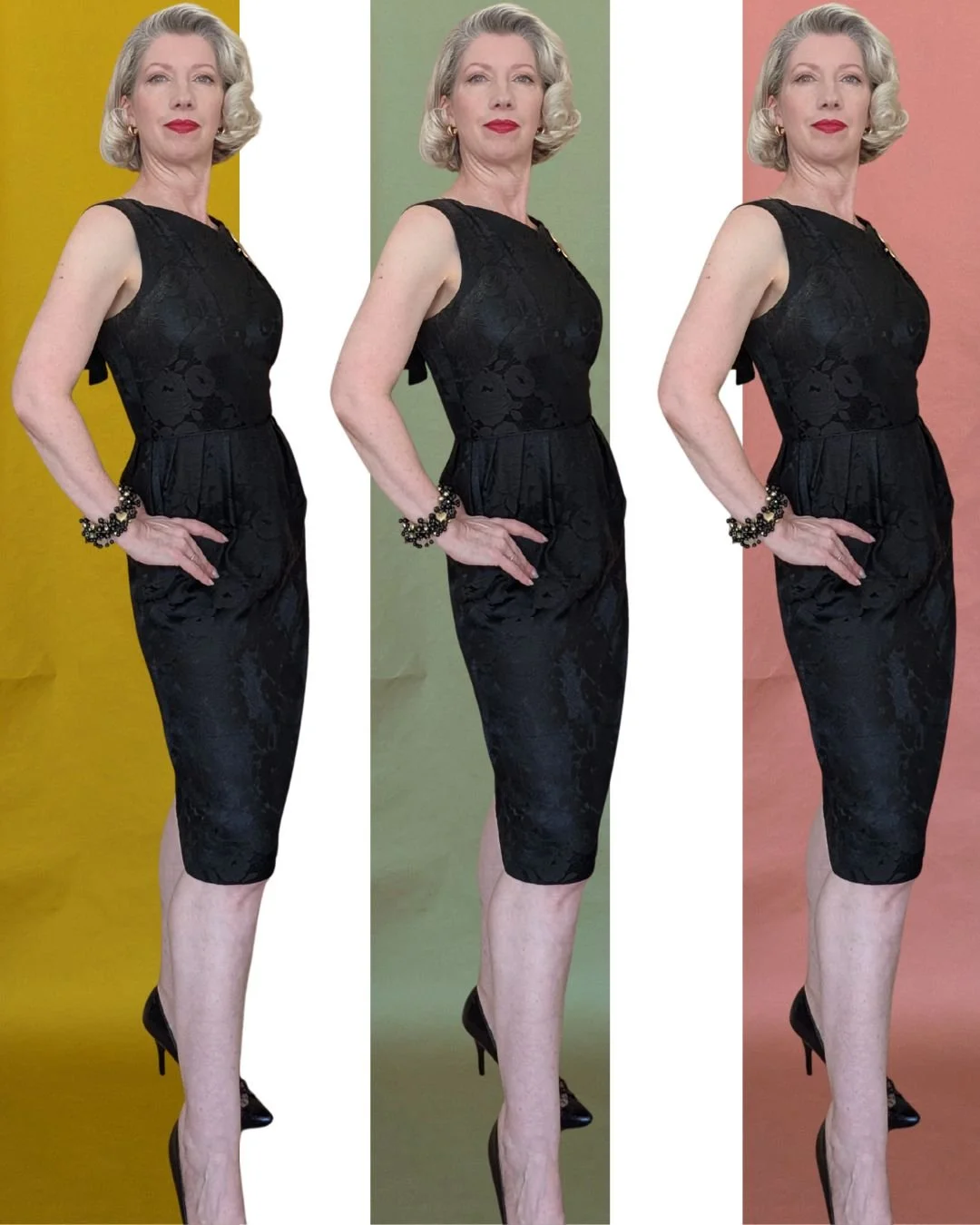
The Real Reason Your Midlife Workouts Aren’t Working (And What Actually Does)
If you’ve ever tried to “get strong”--or even to “get strong again”--only to feel overwhelmed, unsure, or flat-out confused, the problem isn’t you — it’s that no one ever taught you how to train a midlife body.
And without a plan built for this stage of life, strength feels like a moving target.
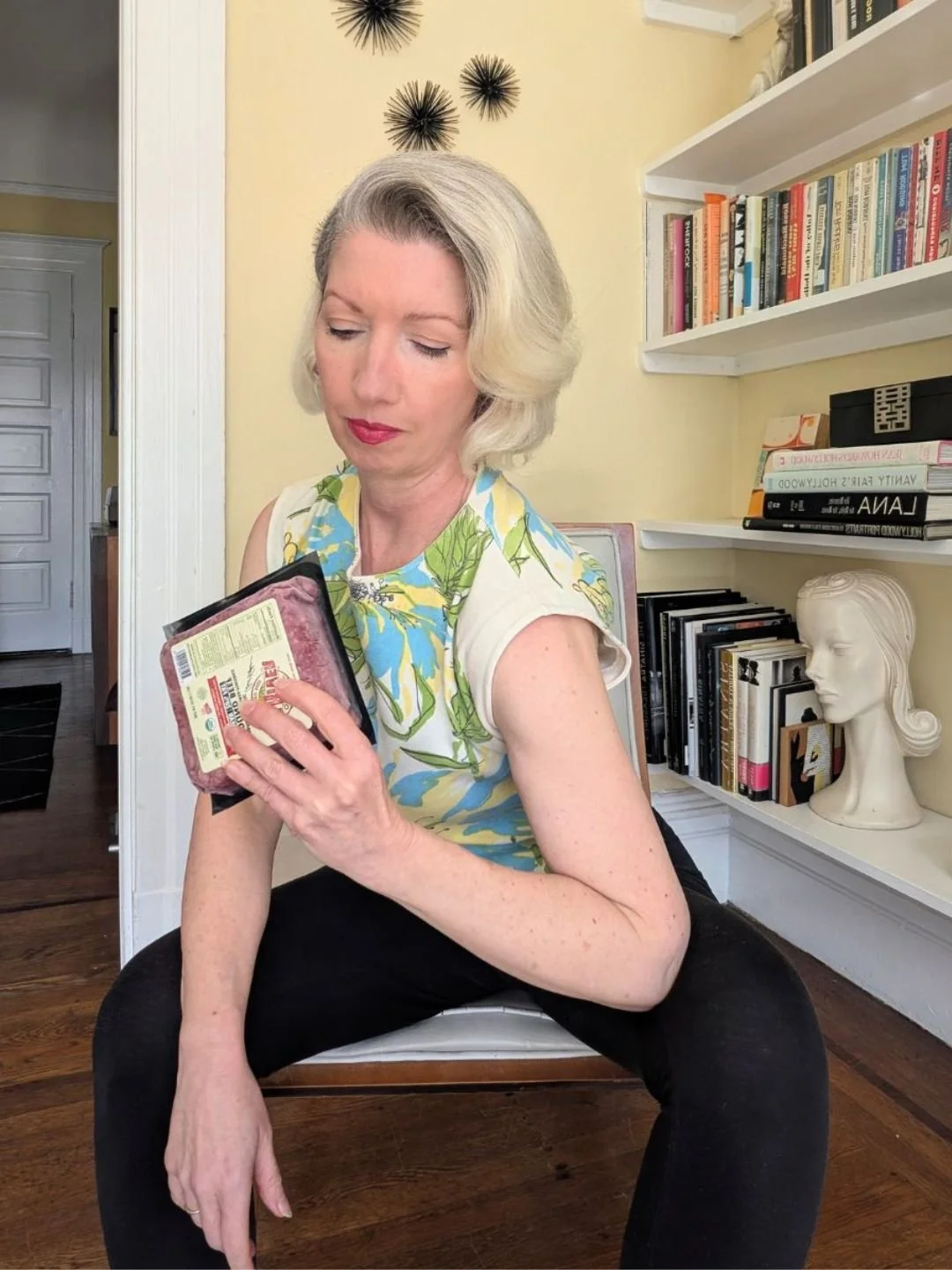
How Much Protein Do Women Over 40 Really Need?
Protein has become the macronutrient of the moment. Everywhere you look: Thirty grams per meal. High-protein snacks. Protein in everything.
At the same time, nutrition headlines contradict each other weekly—promising certainty while quietly oversimplifying complex research. But that doesn’t mean all recommendations are meaningless. When it comes to preserving and building muscle after 40, protein genuinely matters.
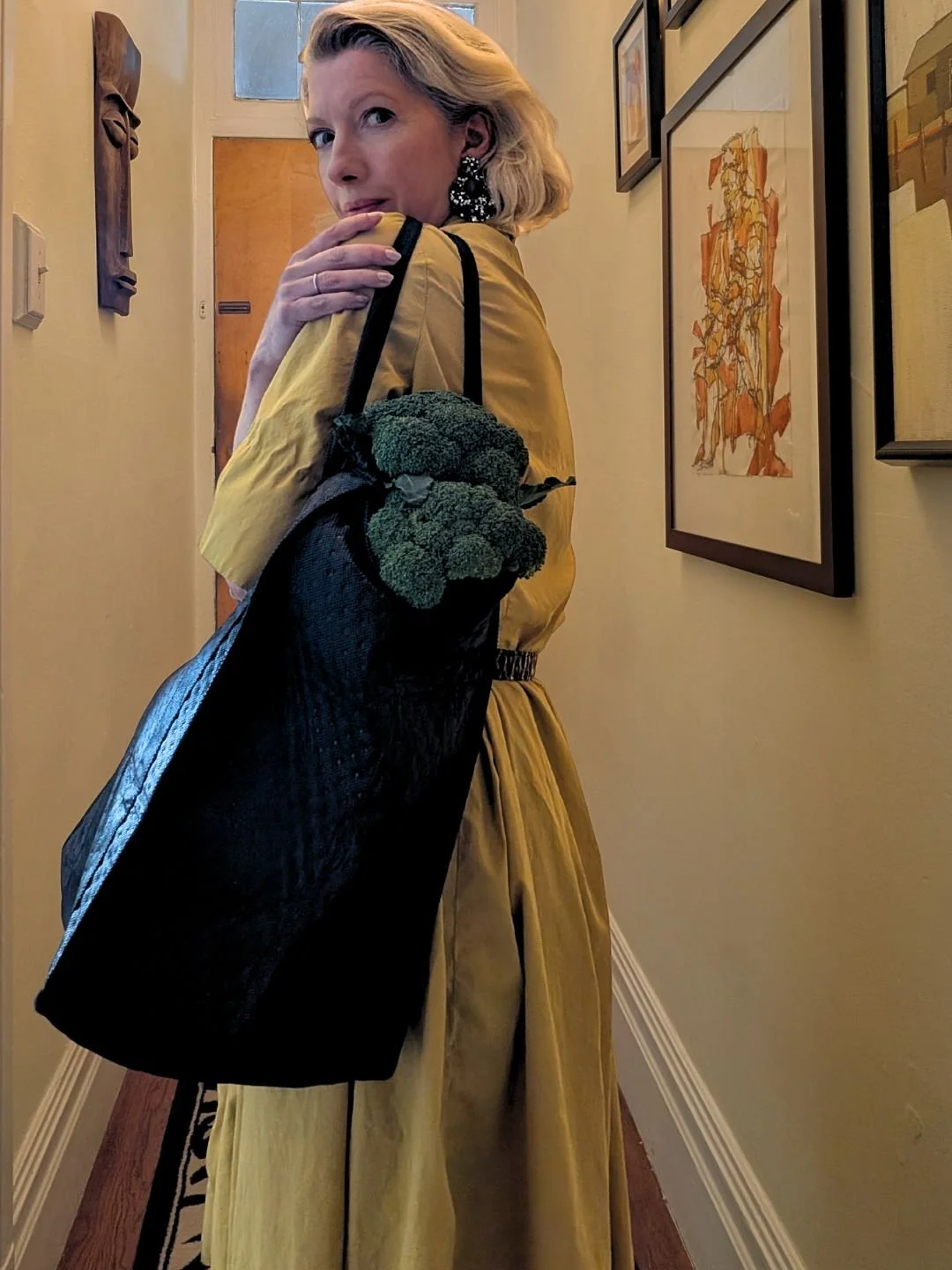
Walking More Isn’t the Problem—Relying on It Is
When you feel like you’re putting on more weight around your middle or your energy isn’t up to par, it makes sense that your first instinct is to walk more. It sounds do-able.
But if you’re expecting walking to meaningfully shift your body composition (as in burn body fat), you’re asking it to do a job it was never designed to do.
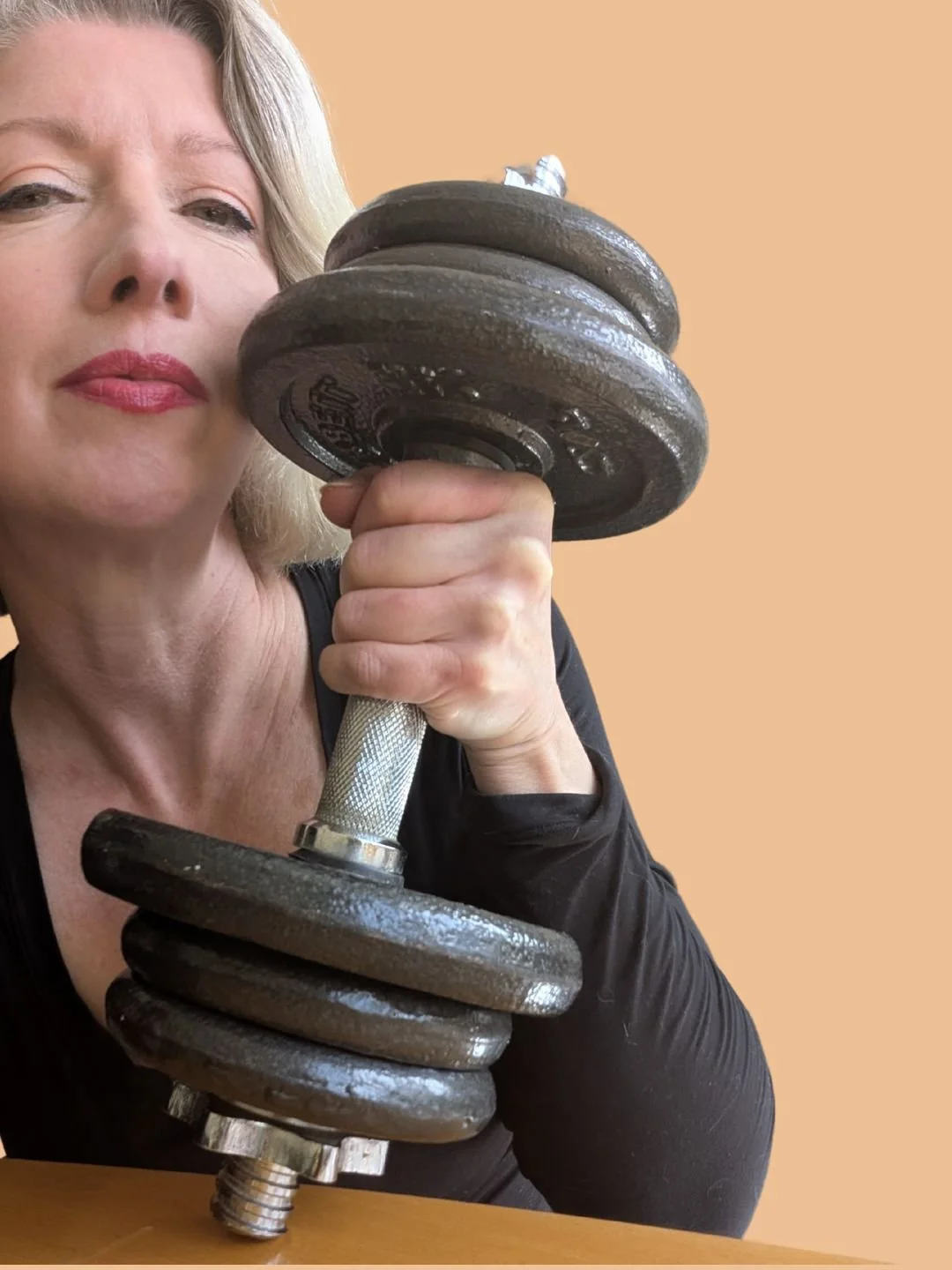
You Don’t Have a Consistency Problem. You Have a Quitting Problem.
You show up, work out regularly, and pat yourself on the back for checking all the boxes, yet you don’t feel like you’re getting stronger. And while you don’t feel worse, exactly—you don’t feel better, either.
There’s a moment in your workouts that you keep avoiding. It doesn’t happen at the beginning when the exercises feel hard but controlled and manageable. It’s the point when your muscles start to burn, your movements slow down, and you feel that continuing is going to require more effort than you’re comfortable with.
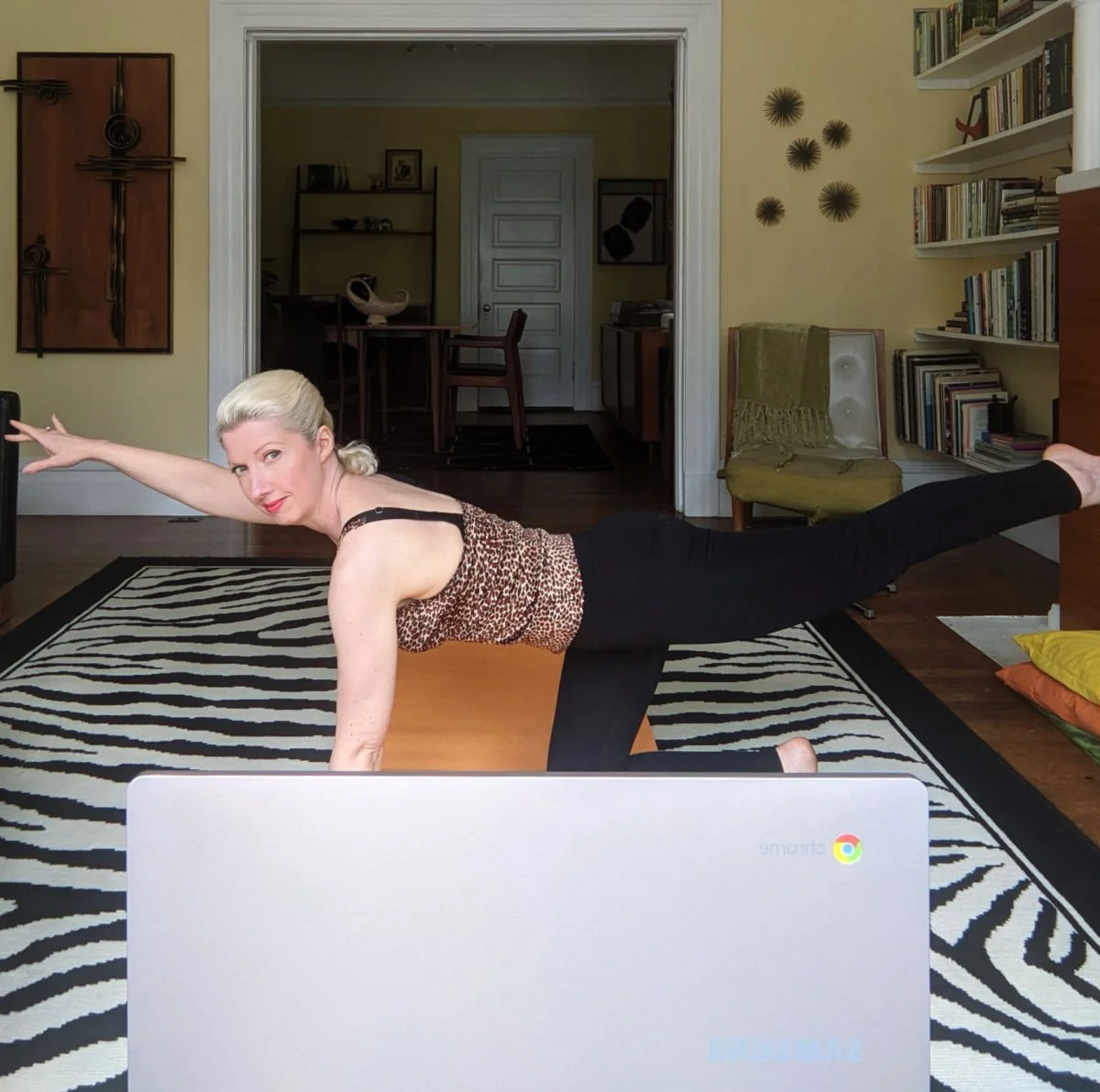
The People Around You May Be Aging You
We like to think we make our choices entirely on our own—that what we eat, if we exercise, what we tolerate, and how we age comes down to personal discipline and individual decisions. But research has shown that we absorb far more from the people around us than we realize—and this also refers to the people we see on our screens, Zoom, and social media.
If the people around you constantly joke about getting old, normalize exhaustion, dismiss strength training, overdrink, under-move, complain about their bodies while doing nothing to help them, or treat decline as inevitable—it affects you.
Want More Where This Came From?
Get sharp weekly ideas on strength, energy, and aging well after 40—plus first access to new articles, workouts, and updates.